
The following entry from 2024 in the MDPI journal Encyclopedia is a very useful, peer-reviewed article, giving a clear overview of the Roemheld Syndrome and the Gut-Heart Axis.
Mathis BJ, Suzuki R, Kuroda Y, Kato H, Hiramatsu Y. Understanding the Gut-Heart Axis in Roemheld Syndrome: Mechanisms and Clinical Insights. Encyclopedia. 2024;4(4):1721–1738. DOI: 10.3390/encyclopedia4040113.Read the full article: https://www.mdpi.com/2673-8392/4/4/113
Summary
In 2024, researchers published a comprehensive review titled “Understanding the Gut-Heart Axis in Roemheld Syndrome: Mechanisms and Clinical Insights.” Rather than presenting a new patient case, the article reviews existing medical literature and explores how the digestive system and heart may influence one another.
The authors describe Roemheld Syndrome (also known as Gastrocardiac Syndrome) as a condition in which gastrointestinal problems may contribute to symptoms such as palpitations, PVCs, chest discomfort, shortness of breath, dizziness, and anxiety-like episodes.
One of the central themes of the article is the gut-heart axis. The digestive system and heart are connected through nerves, hormones, inflammation, and the immune system. According to the authors, disturbances in the digestive tract may affect the heart through several possible pathways:
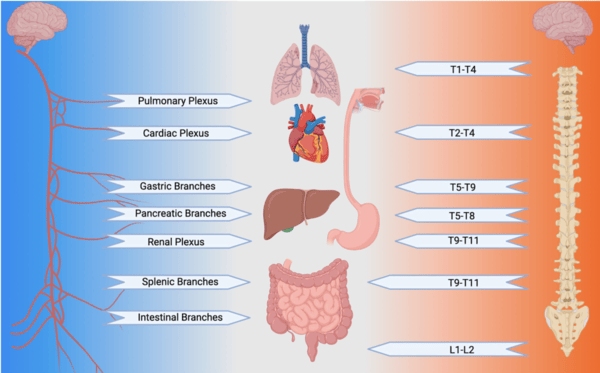
Mathis BJ, Suzuki R, Kuroda Y, Kato H, Hiramatsu Y- Stomach distension caused by gas, bloating, or large meals
- Gastroesophageal reflux disease (GERD)
- Hiatal hernia
- Vagus nerve stimulation
- Inflammatory processes originating in the gastrointestinal tract
The review discusses numerous published case reports in which treatment of digestive disorders resulted in improvement of cardiac symptoms. These include cases involving hiatal hernias, reflux disease, excessive gas, and other gastrointestinal conditions.
The authors also highlight a major challenge facing patients: Roemheld Syndrome remains poorly recognized, and many people undergo extensive cardiac testing before the digestive system is considered as a possible contributor to their symptoms.
Key takeaway
The article argues that the heart and digestive system should not always be viewed as separate entities. In some patients, symptoms that appear cardiac in nature may be influenced by gastrointestinal factors, and a more integrated approach may be beneficial.
Editor’s Note
This article is a review of existing literature rather than a clinical trial or original research study. It does not prove that digestive disorders cause heart symptoms in every patient. However, it provides a useful overview of the proposed mechanisms behind Roemheld Syndrome and helps explain why researchers are increasingly interested in the relationship between the gut and the heart.
At Roemheld Syndrome International, we believe this growing body of research supports the need for closer collaboration between gastroenterologists and cardiologists. The emerging concept of Gastro-Cardiology may help improve awareness, diagnosis, and treatment for patients whose symptoms fall between traditional medical specialties.