
In 2021, Germany’s leading medical journal, Deutsches Ärzteblatt, published a biographical article commemorating the 150th anniversary of the birth of Dr. Ludwig Roemheld and the 100th anniversary of his appointment as an honorary citizen of Gundelsheim, the town where he achieved national recognition as a physician and medical innovator.
Today, Ludwig Roemheld is remembered primarily as the physician who first described the gastrocardiac symptom complex that later became known as Roemheld Syndrome. During his lifetime, however, he was also known as a successful internist, lecturer, researcher, and director of one of Germany’s most prestigious health resorts.
Early Life and Medical Training
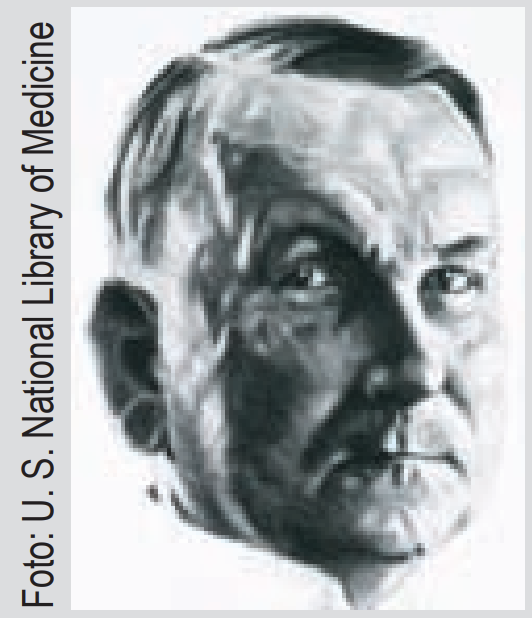
Ludwig Roemheld was born in 1871 in Groß-Gerau, Hesse, Germany, as the second son of a Protestant pastor. He studied medicine at the Universities of Heidelberg and Strasbourg and received his medical doctorate in Heidelberg in 1894.
After graduation, he gained experience in internal medicine at several institutions, including the outpatient, pediatric, and gynecological clinics in Heidelberg, before continuing his training in Berlin.
His abilities were recognized early. In 1899, at only twenty-eight years of age, he was appointed medical director of the sanatorium at Schloss Horneck in Gundelsheim.
Transforming Schloss Horneck
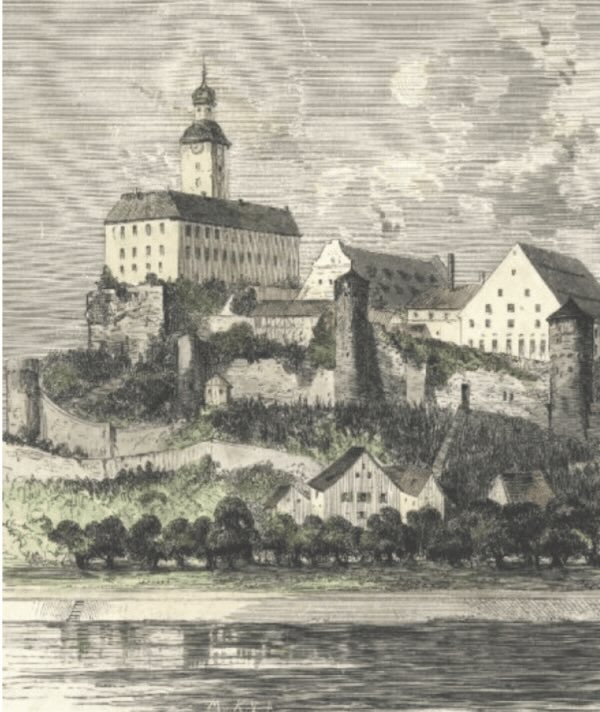
When Roemheld arrived, Schloss Horneck was a relatively young institution that had already begun to decline. Originally founded as a Kneipp-style hydrotherapy facility, it lacked the medical reputation necessary to compete with Germany’s leading health resorts.
Roemheld transformed the sanatorium into a modern treatment center. Under his leadership, new treatment facilities were built, electricity was introduced for medical equipment, villas were constructed for guests, and extensive walking paths were laid out in the surrounding countryside. Historical accounts describe approximately 50 kilometers of walking trails available to patients. Light-and-air bathing facilities, gardens, terraces, and recreational areas were also developed.
His treatment philosophy emphasized a combination of dietary management, exercise, fresh air, hydrotherapy, and individualized medical care. Long before nutrition became an established medical discipline, Roemheld placed diet at the center of treatment for many internal diseases.
A Fashionable Health Resort
Under Roemheld’s leadership, Schloss Horneck became one of Germany’s most fashionable health resorts.
Among its visitors were Queen Charlotte of Württemberg, Empress Auguste Victoria, the wife of Kaiser Wilhelm II, and later Empress Hermine. The sanatorium also attracted industrialists, aristocrats, writers, actors, athletes, and other prominent figures.
Guests reportedly included actor Gustaf Gründgens, actress Marianne Hoppe, filmmaker and mountaineer Luis Trenker, actress Anni Ondra, world heavyweight boxing champion Max Schmeling, and members of the Opel industrial family.
The institution became known not only for its luxurious surroundings but also for Roemheld’s innovative dietary treatments.
A Pioneer of Dietary Medicine
Roemheld believed that nutrition played a critical role in health and disease. He developed individualized dietary programs and promoted eating habits that differed considerably from mainstream medical thinking at the time.
Fatty foods, vinegar, and heavily spiced meals were often restricted. Patients were encouraged to follow carefully planned diets combined with exercise and outdoor activity.
Through publications, lectures, and presentations at medical conferences and universities, Roemheld promoted these ideas throughout Germany and beyond. In many respects, his approach anticipated concepts that would later become central to modern lifestyle medicine.
The Discovery of Roemheld Syndrome
Roemheld secured his place in medical history through his observations of patients who experienced cardiac symptoms that appeared to originate from the digestive system.
In 1912, he published his first description of a gastrocardiac symptom complex that was distinct from what many physicians of the time considered to be “cardiac neurosis.”
According to Roemheld, excessive accumulations of gas within the gastrointestinal tract could trigger symptoms such as palpitations, irregular heartbeat, chest discomfort, anxiety, and shortness of breath. He proposed that abdominal distension could push the diaphragm upward and influence cardiac function.
During further research around 1922, Roemheld broadened his theory and emphasized the importance of the vagus nerve as a physiological connection between the gastrointestinal tract, heart, lungs, and brain.
Many of the conditions he associated with the syndrome—including large meals, bloating, gastritis, intestinal disorders, and food intolerances—remain subjects of discussion in modern gastrocardiac research.
Recognition and Character
Roemheld’s achievements brought him considerable recognition.
He was awarded the title of Privy Medical Councillor (Geheimer Hofrat) by the King of Württemberg, and in 1921 the town of Gundelsheim named him an honorary citizen.
Despite his prominence, historical accounts suggest that he remained approachable and closely involved in patient care. One of his grandsons later recalled that Roemheld frequently joined patients for meals and personally dictated dietary instructions to the sanatorium’s kitchen staff.
He was also known for his social conscience. Through charitable foundations supported by wealthy patients, he enabled many individuals affected by economic hardship and war to receive treatment at Schloss Horneck.
Final Years and Legacy
Ludwig Roemheld died in 1938 at the age of sixty-six following a stroke.
Shortly thereafter, the Second World War brought an end to the era of Schloss Horneck as a fashionable health resort. During the war, the facility served as a military hospital, and the unique chapter of German medical history associated with Roemheld gradually came to a close.
Nevertheless, his name lives on through the syndrome that bears it. More than a century after his first publication, physicians, researchers, and patients continue to debate and investigate the relationship between digestive disorders and cardiac symptoms that Roemheld first described.
Editor’s Note
Despite the widespread use of “von Roemheld” on modern websites, the original 1912 publication and several historical sources refer simply to Ludwig Roemheld, not Ludwig von Roemheld. The editorial team has not yet found evidence that he was formally ennobled, and research into this question is ongoing.
If you have additional historical information regarding Dr. Roemheld, his publications, or his family, we would be pleased to hear from you.
Sources
Schuchart S. Ludwig Roemheld (1871–1938): Arzt, Diätpionier und Namensgeber des Roemheld-Syndroms. Deutsches Ärzteblatt. 2021;46.
Gündisch K. Geschichte von Schloss Horneck, siebte Folge: Friedrich Trump und Dr. Ludwig Roemheld. Siebenbuerger.de. 2017.